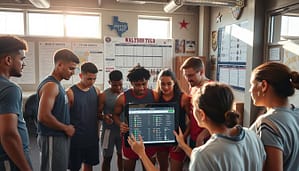
Welcome! Let’s talk about building something special. Imagine your team’s local engagement as planting a garden. It needs a good plan, the right tools, and consistent care to truly grow and flourish.
This isn’t just theory. Look at programs like Texas A&M’s BUILD initiative. Students turned shipping containers into fully-equipped medical clinics. They started in Kenedy County, where residents had zero access to care. That’s the power of a thoughtful, lasting connection.
Moving beyond one-off appearances creates a legacy of positive impact. It benefits your youngest fans, your veteran players, and everyone in between. Your program becomes a true community partner.
How do you start? By framing your role differently. It’s about service learning and creating opportunities like youth clinics that teach and inspire. For a powerful look at sustained initiatives, consider the work of groups like the Arnold & Itkin Foundation, which organizes everything from food drives to educational support.
Ready to dig in? We’ll show you how.
Values and Guardrails: The Playbook for Safe and Compliant Outreach
Think of values and guardrails as the essential playbook for your team’s community outreach college baseball texas efforts. They ensure the game is fair, safe, and rewarding for everyone. Before we start the exciting clinics and drives, we must lay this foundation. It’s like the bumpers in a batting cage—they let your team swing for the fences while keeping everything on course and protected.
Your first priority is always safety. This means both physical and emotional safety for your athletes, coaches, and the community members you engage. For a youth skills clinic, that’s having a certified athletic trainer on site and proper equipment checks. For a food drive, it’s about secure handling.
For example, to ensure donations are processed and distributed safely, please direct all items to a designated ‘donation station.’ Coordinating with a team member beforehand is best. This simple rule prevents clutter and ensures help gets to where it’s needed most.
Next up are permissions. Whether you’re visiting an elementary school or using a local park, you must get the green light from the venue. This isn’t bureaucracy; it’s respect. It protects your program from liability and builds trust with community partners. A quick call or email to the facility manager or school principal can secure the official okay and often unlock extra support!
Now, let’s talk about a big one: NCAA rules. We know this can seem complex, but the core principle for community service is simple. The NCAA encourages service learning and charitable activities. Your athletes can participate, and you can even acknowledge their involvement. The key is that participation must be voluntary and not used as a direct incentive for recruitment. A clear, internal memo for your staff outlining these guidelines is a great step.
By embracing these values and guardrails, you do more than just follow rules. You build a reputation for professionalism and care. This foundation turns a one-off event into a sustainable program that athletes are proud to join and communities are eager to welcome. Let’s build something great, together.
Calendar: preseason service, midterm classroom visits, summer camps
Creating a yearly calendar is key to your outreach efforts. It’s like having a game plan for community engagement. Timing is everything!
A haphazard schedule can lead to volunteer burnout and missed chances. It confuses your team and disappoints community partners. We aim to create a rhythm of service everyone can rely on.
Design a yearly calendar that matches your athletic season and the local school year. This creates a predictable rhythm of giving back. Let’s plan it out across three phases: preseason community service, midterm classroom visits, and summer youth camps.

Preseason Service: Before the season starts, introduce your team’s character to the community. Organize a park clean-up, help at a local shelter, or host a equipment drive. These activities set a positive tone and show your commitment goes beyond baseball.
Midterm Classroom Visits: This is where school partnerships shine. Work with elementary schools during less busy times. A great event is a “reading day,” where players read with students. It supports literacy, provides positive role models, and strengthens your bond with local families.
Summer Camps: After the season, keep the connection alive. Host skills camps for local youth. These camps keep kids active, teach baseball skills, and turn young fans into lifelong supporters.
Spacing these events strategically is key for maximum impact and minimal stress. Think of it like spacing your pitching rotation. A great model is the PATHway to Comfort food pantry, which operates every Wednesday from 10:30 a.m. to 2 p.m. This reliable presence builds incredible trust.
Here’s a quick-view blueprint for your annual outreach calendar:
| Program Phase | Timing & Core Activity | Primary Community Goal |
|---|---|---|
| Preseason | Late summer; Team-based service project (e.g., facility renovation, food drive). | Introduce team character & build local goodwill before competition begins. |
| Midterm | Fall & Spring academic periods; Classroom visits, focusing on a reading day. | Support education and solidify school partnerships through direct engagement. |
| Summer | Post-season; Multi-day youth skills camp or clinic. | Provide positive summer activity and deepen fan engagement with the next generation. |
This calendar is more than just a list of dates. It’s your playbook for off-field success. By creating a predictable rhythm, your community outreach becomes a cornerstone of your Texas college baseball program’s identity. The community looks forward to it year after year.
Program blueprints: 1) youth skills clinic, 2) elementary reading hour, 3) food‑bank series, 4) adaptive baseball day
Let’s move from planning to action. This section offers four detailed program templates for your Texas college baseball team. Think of these as your community outreach playbook. They are detailed yet flexible, ready to be customized by you.
1) The Youth Skills Clinic Blueprint
This is a key part of community outreach college baseball texas programs. It’s fun, high-energy, and builds a future fan base. Plan a two-hour clinic with stations for hitting, fielding, base-running, and learning the game’s rules.
Keep groups small, with 2-3 athletes at each station. Safety is key. Have your sports medicine staff on site for hydration and minor injuries. Use soft baseballs and shorter bats for younger players.
The goal is to spark a love for the game, not create pros. You’ll see the joy you create!
Athletes are role models. A reading day at a local elementary school shows kids that strong readers are strong people. Work with a school librarian or teacher to pick engaging, sports-themed books.
Your players don’t need to be English majors. They just need to read with enthusiasm and answer questions. Run the hour with a player reading a book aloud, followed by a Q&A about baseball and why reading is important for athletes.
Leave time for autographs or pictures. This blueprint builds goodwill and promotes literacy in a way that resonates with young students.
3) The Food-Bank Series Blueprint
Organizing a food bank drives series fights hunger in your community. The key is a clear, safe donation process. First, partner with a local pantry like PATH. They can provide drop-off logistics and distribution expertise.
Communicate exactly what donors should and should not give. Use the table below to make guidelines clear for your team and supporters.
| What TO Accept | What NOT To Accept |
|---|---|
| New, unopened shelf-stable food (cans, pasta, rice) | Expired food of any kind |
| Milk alternatives (shelf-stable soy, almond milk) | Opened items or damaged packaging |
| Personal hygiene items (new toothbrushes, soap) | Used personal care products |
| Baby items (unopened diapers, formula) | Perishables (unless pre-arranged with pantry) |
Run a week-long drive on campus, with collection bins at the stadium entrance. Have players volunteer for sorting shifts. This turns goodwill into direct, needed support.
4) The Adaptive Baseball Day Blueprint
Make the game inclusive for all children. An Adaptive Baseball Day modifies the sport for kids with physical or cognitive differences. You’ll need a quiet, flat space like a gym or a turf field.
Use audible balls, lighter bats, and allow for buddies (athletes paired one-on-one with participants). Structure the day around stations focused on participation, not competition. Think hitting off a tee, rolling a ball to a target, and a simplified base-running path.
The atmosphere should be joyful and pressure-free. This blueprint teaches your team about accessibility and leaves a profound, lasting impact on families.
These four blueprints—youth clinics, reading day events, food bank drives, and adaptive sports—give you a complete toolkit. Mix and match them across your season. Your community outreach college baseball texas efforts will be organized, impactful, and truly make a difference.
Roles: athletes, coaches, S&C, sports med, comms, volunteers
Every community outreach program has a team behind it. This team makes sure the event runs smoothly and feels rewarding. Let’s look at the key roles for your college baseball team’s service learning effort.
Your athletes are the frontline ambassadors. They meet the community face-to-face, teaching skills or reading to kids. Their energy and presence are key to your program’s success. Encourage them to share their stories and connect genuinely.
Coaches set the tone. They show that community outreach is a core value, not just an extra. They organize, motivate, and often represent the team in public.
Don’t forget your strength & conditioning and sports medicine staff. They can lead warm-ups at clinics or talk about injury prevention and nutrition. Their expertise adds a lot to your events.
The communications team is your storyteller. They take photos, write social media posts, and work with local media. Their work is key to sharing your impact and building goodwill, all while telling stories ethically.
Lastly, volunteers are the backbone. This includes people like those at PATH, who serve thousands every year. Volunteers help your team reach more people and provide essential support. For big projects, consider asking a PATHway to Comfort volunteer for help with volunteers.
Here’s a quick guide to these important roles:
| Role | Primary Duty | Key Contribution |
|---|---|---|
| Athletes | Direct participant engagement | Personal connection and inspiration |
| Coaches | Program leadership & tone-setting | Authority and organizational oversight |
| S&C Staff | Lead physical activities | Expertise in fitness and safety |
| Sports Med Staff | Provide health & wellness guidance | Trusted advice on injury prevention |
| Communications Team | Document and promote the event | Amplifying reach and positive impact |
| Volunteers | Logistical and operational support | Scaling the event’s capacity and reach |
When everyone knows their role, your college baseball team’s community outreach is more than an event. It’s a powerful service learning experience. This clarity makes your team more efficient and ensures everyone feels valued and effective.
Impact tracking: hours served, funds raised, future ticket conversions
How do you know if your outreach efforts are making a difference? The answer is in tracking your impact. It’s like keeping a detailed box score for your community outreach college baseball texas initiatives. This turns good intentions into proven results.
This process isn’t about extra work. It’s about showing your team’s positive influence. Let’s look at three simple metrics you can start tracking today.

This is your easiest metric. Keep a log where everyone records their time. Add it up at the end of each month or season.
Why does this matter? It shows real commitment. Saying, “Our team donated 500 hours to the community this semester,” carries weight. It also boosts team motivation. Players see their efforts adding up!
2. Funds Raised for Causes
Track every dollar, whether it’s from a charity game, canned food drive, or donation match. Be specific about the cause. For example, “Our home run derby raised $2,500 for local youth sports scholarships.”
Look at organizations like PATH, which serves over 20,000 people each year. Their impact is a powerful model. Your fundraising data tells a similar story of community support.
3. Future Ticket Conversions
This metric looks at how service learning builds your fan base. Does hosting a youth clinic lead to more game attendance? Does visiting a school result in more ticket sales?
You can track this with simple promo codes or by asking new ticket buyers, “How did you hear about us?” This shows outreach is an investment, not just an expense.
Collecting this data shouldn’t be a burden. Use a shared spreadsheet, a team app, or brief surveys. The goal is to make tracking a regular habit, like post-practice stretching.
This data does more than fill reports. It guides your future plans. You’ll see which events resonate most and where to focus your energy. It turns your team’s goodwill into a compelling story of local impact.
Start tracking now. You might be surprised by what your community outreach college baseball texas program is already achieving. Let the numbers tell your story!
Storytelling without exploiting beneficiaries
When you share your outreach successes, the way you tell the story matters a lot. It can either uplift a community or harm it. Telling your story is a great way to show your team’s values and inspire others. But, it’s important to do it with respect and dignity for everyone involved.
Your story should focus on partnership, solution, and hope. It should never use someone’s struggles to get sympathy. Let’s look at a great example from college baseball in Texas.
Texas A&M’s famous outreach story doesn’t start with images of poverty. Instead, it highlights student ingenuity. The story is about engineering students turning shipping containers into medical clinics. It celebrates the solution and the collaborative effort. This way, everyone involved is empowered.
This is the key change: move from a “we helped them” story to a “we worked with them” partnership. The table below shows the difference between these two approaches in your community outreach communication.
| Storytelling Element | Exploitative Approach (Avoid) | Ethical Approach (Embrace) |
|---|---|---|
| Primary Focus | Highlighting the beneficiary’s need or hardship. | Highlighting the collaborative solution and process. |
| Photography | Close-ups of sadness or struggle; passive subjects. | Action shots of teamwork; people shown with agency and dignity. |
| Language & Messaging | “We gave to the needy.” “We saved the day.” | “We partnered with…” “We built together…” “The community gained…” |
| Beneficiary Role | Objects of pity; their voice is absent. | Active participants; their quotes and perspectives are featured. |
| Long-term Impact | Story ends with the charitable act. | Story shows sustained partnership and mutual growth. |
Apply these principles in your photography and interviews. Always ask for permission before taking any photo or video. Take pictures of engagement—like an athlete high-fiving a kid at a clinic or a team member volunteering with a local.
During interviews, ask open-ended questions that focus on experience and partnership. Instead of “How did we help you?”, ask “What was the best part of working together on this project?” This puts the beneficiary’s voice and the shared accomplishment first.
Ethical storytelling does more than protect dignity. It builds trust with the community and shows your program’s true character. It turns a simple community outreach report into a story of hope and partnership that everyone can be proud of.
Downloadable run‑of‑show sheets
Your plan for community outreach college baseball texas is ready. Now, let’s make it happen. We offer downloadable run-of-show sheets to guide you on game day.
These templates are perfect for youth clinics or school partnerships. Each sheet has a detailed timeline, roles for athletes and staff, a supply list, and important contact info.
Imagine having a checklist for your reading hour or a timeline for your food-bank series. These tools take away the uncertainty. Your team can focus on making connections, not worrying about details.
Using a run-of-show sheet ensures your events go smoothly. It helps you leave a good impression on every partner. Being consistent builds trust and opens doors for more collaborations.
Download your sheets today. Start your outreach plan with confidence and clarity. Your community is eager for your positive impact.