Welcome! Have you ever watched a thrilling game from a Texas diamond and wondered, “How do these programs stay so good, year after year?”
The answer goes beyond talented rosters and expert coaching. There’s a hidden engine driving that sustained success.
That secret weapon is a powerful, passionate community of graduates. Think of them like the roots of a mighty oak. You don’t always see them, but they provide the essential stability and nourishment for everything above ground.
We see this play out in real time. Look at Blinn College, a program excelling on the national stage. Their recent return to the JUCO World Series to defend a title isn’t just about this season’s players.
It’s about the support system built over decades. This guide will pull back the curtain for you.
We’ll show how these networks directly fuel championship moments. More importantly, we’ll give you a clear playbook for turning your passion into real impact for the teams you love.
Why alumni matter: funding, internships, attendance, advocacy
Beyond the wins and losses, Texas college baseball thrives thanks to its alumni. They are more than fans; they are a community that drives the program forward. Their support turns a team into a lasting legacy. It’s a partnership built on loyalty and long-term impact, where community that drives the program forward helps sustain funding, mentorship, and tradition within college athletics.
Texas A&M Athletics Director Trev Alberts understands this well. He says, “Texas A&M Athletics’ reputation is built on strong fundraising, thanks to the 12th Man Foundation. Our donors are the lifeblood, setting our course.” He encourages them to give their all, building a strong donor culture.
But giving money is just the start. Alumni are like four-tool players, essential in many ways. Here are the four key roles they play:
- Funding: The Financial Lifeblood
Alumni donations are critical. They fund scholarships, upgrade facilities, and buy advanced tools. Without this money, programs can’t compete.
- Internships & Career Networking: The Pipeline Builder
Alumni help students find jobs and internships. This creates a strong career path. It makes a school’s degree more valuable, attracting better athletes.
- Attendance: The Home-Field Advantage
Alumni fill the stands, creating an electric atmosphere. This attracts recruits and intimidates opponents. It shows pride and commitment, boosting morale.
- Advocacy: The Authentic Voice
Alumni are the program’s best advocates. They share their love for the school, building a positive reputation. Their word carries more weight than marketing.
When these roles work together, they create a cycle of success. Strong funding attracts talent. Talent wins games. Winning builds pride and more support. It all starts with valuing alumni as strategic partners.
Structures: Booster Clubs, Alumni Chapters, Young‑Alum Groups, NIL Collectives (Compliance Basics)
Texas baseball programs use special groups to help former students. These groups are like different positions on a team. Each one plays a key role in building a strong alumni network. It’s important to know which group fits your goals.

Let’s look at the four main types of organizations that support Texas college baseball.
Official Booster Clubs: The Varsity Squad
Official booster clubs are the powerhouses. They work closely with the athletic department. Their main goal is to raise money for big projects like new facilities and scholarships.
If you want to help with a new stadium or advanced video systems, join a booster club. You’ll need to make a big donation each year. But, your contribution will make a big difference.
Alumni Chapters: The Road Teams
Alumni chapters are great for building community away from campus. They host watch parties, road trips to games, and networking events. Their focus is on boosting spirit and connection, not just raising money.
For alumni in cities like Houston or Dallas, chapters keep the team spirit alive. They create a local family of fans.
Young-Alum Groups: The Rookie League
It’s important to engage graduates from the last 5-10 years. Young-alum groups organize fun, affordable events like pre-game tailgates. Their goal is to start a lifelong habit of engagement.
These groups are an investment in the future leaders of your Texas college baseball community.
NIL Collectives: The New Specialists
NIL collectives are a new and exciting addition. They help student-athletes with endorsement deals and marketing. This attracts and keeps top talent.
But, there’s a key compliance basic you need to know:
- Independence is Key: NIL collectives must be separate from the university to follow NCAA rules.
- Transparent Operation: They can support athletes but can’t be run by athletic department staff.
- Donor Awareness: Contributions to a collective fund athlete partnerships, not facility projects.
Understanding this is vital for any alumnus in the NIL landscape.
Choosing the right structure depends on your goals. Do you want to fund a project, build camaraderie, cultivate leaders, or support players? The best alumni networks use a mix of all four, creating a strong support system for Texas college baseball.
Engagement menu: road‑trip caravans, watch parties, mentor nights, LinkedIn pipelines
Your alumni chapter’s calendar should be as exciting as the game schedule. It should offer a variety of events for different interests and commitment levels. A strong structure is key, but it’s the shared experiences that bring your network to life.
Successful programs like Texas A&M show the power of a relationship-first approach. They focus on creating value for members, which builds loyalty and support for the team.
Let’s explore four powerful ways to turn your alumni roster into an active, engaged community.
Road-Trip Caravans: Show Support on the Road
Turn an away game into an unforgettable group adventure. Organizing a road-trip caravan does more than just fill buses or car pools. It builds camaraderie on the journey itself.
These trips create powerful memories and show the team they have a traveling home-field advantage. It’s a tangible demonstration of loyalty that strengthens the bond between alumni and the program far beyond the hometown stands.
Watch Parties: Your Low-Commitment, High-Fun Anchor
If you want a reliable way to gather folks regularly, watch parties are your MVP. Hosting a game viewing at a local restaurant or alumni’s home requires minimal planning but delivers maximum fun.
It’s the perfect entry point for busy alumni or those new to the area. The consistent, casual environment fosters natural networking and keeps the connection to the team strong throughout the season.
Remember, the goal is a welcoming atmosphere where the game is the main event, but new friendships are the winning bonus.
Mentor Nights & The Career Dugout
This is where mentorship moves from a concept to a concrete benefit. Host a “Career Dugout” event where established alumni from various fields offer advice to recent graduates and current players.
This directly puts the relationship-first philosophy into action. You’re providing immediate, personal value by helping younger alumni navigate their careers. For student-athletes, it connects them with role models who understand the balance of sport and profession.
The LinkedIn Pipeline: Your Network’s Professional Power Play
Turn your social network into a professional powerhouse. Create a dedicated LinkedIn group or a consistent hashtag for your chapter.
Encourage alumni to post job openings, internship opportunities, and career advice. This simple system adds immense tangible value to membership, showing that your network opens doors long after graduation day.
| Event Type | Commitment Level | Primary Benefit | Ideal For |
|---|---|---|---|
| Road-Trip Caravan | High (Full Day) | Deep Camaraderie & Visible Support | Die-hard fans, alumni seeking adventure |
| Watch Parties | Low (Few Hours) | Casual Connection & Consistent Engagement | Broad alumni base, new members |
| Mentor Nights | Medium (Evening) | Professional Development & Mentorship | Young alumni, student-athletes, career-changers |
| LinkedIn Pipeline | Very Low (Ongoing Online) | Tangible Career Value & Network Strength | All alumni, specially those hiring or job-seeking |
By providing a diverse menu, you ensure every alumnus finds a way to connect that suits them. From the fun of watch parties to the life-changing mentorship, each activity strengthens your community. This engaged community doesn’t just cheer louder; it gives smarter, advocates more effectively, and builds a legacy that lasts for generations.
Giving with purpose: endow a position, analytics gear, nutrition funds; transparent reporting
Imagine your money going straight to your alma mater’s baseball future. This is what purpose-driven giving is all about. It’s like calling a specific play, making your gift clear and impactful.
Going beyond the usual “annual fund” is key to a strong donor culture. When donors see their support in action, they feel more connected. Let’s look at how you can make your giving count.
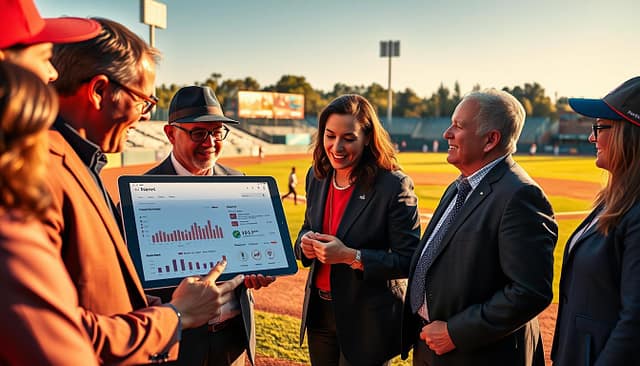
First, think about endowing a specific position. Maybe a pitching coach or a hitting instructor. Your gift keeps that role funded forever. It’s a lasting legacy that ensures top coaching for years to come.
Second, consider funding cutting-edge analytics gear. In today’s game, tech is a huge advantage. A donation for tools like TrackMan or high-speed cameras helps coaches improve player skills with precision.
Third, nutrition funds are vital but often overlooked. Proper food is key for performance and recovery. Your gift ensures the team has top-notch meals and snacks all year. It boosts their energy and focus.
The key to all this? Transparent reporting. Leaders like Trev Alberts say showing donors the impact of their gifts is essential. Don’t just send a generic thank-you.
Send a video of the new TrackMan in action. Share a note from the nutritionist about the team’s meal plans. Give an annual report from the endowed coach. This builds trust.
This approach makes every donor feel like a partner, not just a giver. Whether they give $150 or $150,000, they see their impact. It’s a partnership, not just a transaction. Look at the overview of major programs to see how strong support systems work.
Giving with purpose empowers you. You’re not just writing a check. You’re funding a coach, buying tech, or feeding athletes. You become a key part of the program’s success. This is how a lasting donor culture is built.
Measuring impact: renewal rates, mentorship matches, intern placements
Understanding your network’s impact means focusing on metrics that reflect lasting change. The final score isn’t just about dollars raised. It’s about lives improved and connections forged. To know if your alumni program is winning, you need to track the numbers that prove deep, sustainable value.
Think of your member or donor renewal rate as your program’s batting average. A high percentage means people are satisfied. They believe in the mission and choose to reinvest year after year. This loyalty is the bedrock of any strong community. It tells you that you’re providing real value, not just asking for checks.
Next, count your mentorship matches. This metric measures how you’re strengthening the professional fabric of your community. Each successful pair is a direct investment in someone’s future. Tracking these connections shows you’re actively building bridges between experience and ambition. It turns the abstract idea of mentorship into a tangible, reportable result.
Lastly, look at internships and job placements facilitated through your network. This is the home run of career networking. It’s a direct, life-altering outcome for a recent graduate. When an alum offers a position to a current student, it completes the circle. This number is pure proof of your network’s power to open doors and launch careers.
So, what does a winning report look like? Imagine being able to say: “Our alumni network renewed at 85% this year. We facilitated 30 new mentor connections and helped place 12 students in internships.” That story showcases multifaceted success. It speaks to satisfaction, community strength, and tangible opportunity.
By tracking these three areas, you move beyond basic fundraising reports. You build a narrative of genuine, life-changing impact. This data helps you celebrate real wins and shows every supporter exactly how their contribution creates a brighter future.
How to start a city chapter: 90‑day checklist
Want to boost alumni engagement in your city? Starting a local chapter is a great idea. It gives former students a place to connect. Here’s a simple 90-day plan to kickstart your chapter.
Month 1: Lay the Foundation. First, gather your core team. Look for three to five alumni who share your passion. Contact your alma mater’s alumni association for help and official status. Start a group chat on WhatsApp or an email list for your founding members.
Month 2: Host Your First Event. Organize a casual watch party at a local sports bar. It’s a relaxed way to see if people are interested and to collect contact info. Think about season ticket blocks for minor league or MLB games. It’s a fun way to bond.
Month 3: Formalize and Grow. Use feedback from your first event to plan for the year. Aim for two watch parties, one family event, and one career networking night. Create a social media page to keep everyone connected. Remember, some will just attend, while others will lead. Your role is to welcome everyone back, helping Texas college baseball’s future.