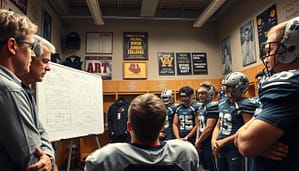
Ever watched a game from the bleachers and dreamed of being closer to the action? You’re not alone! Many fans and students want to move from the stands to where the real magic happens.
Getting involved goes beyond just cheering. It’s about contributing to a team’s success and becoming part of a tight-knit community. Think of it like learning a new position on the field. The rules might seem complex at first glance.
Don’t worry! We’re here to break everything down into simple, clear steps. This guide will show you the main paths available.
Whether you’re a student looking to build an impressive resume or a lifelong fan wanting to give back, you’ve found the right starting point. Let’s turn your enthusiasm into hands-on involvement.
You’ll discover how to make a genuine impact on the sport you love. Ready to step up? Let’s begin!
Get Involved
There’s more to college baseball than just cheering from the stands. A world of roles awaits those eager to get involved. From setting up the field to engaging fans, every task is vital. This world is vast, extending far beyond the coaching box.
There are two ways to start: informal volunteering or a structured student internship. As a volunteer, you jump into game operations. You help make sure the event goes smoothly for everyone in the stadium.
For a more formal path, internships are the way to go. The Frank and Peggy Steele Internship Program is a great example. It offers meaningful, hands-on training in various professional careers during summers in Cooperstown.
Opportunities abound! Summer collegiate leagues like the Worcester Bravehearts and the Hamptons Collegiate Baseball League often have openings. These roles include assistant coaches and communications positions. Communications jobs often involve event plan execution, a key part of game operations.
So, how do you begin? First, figure out what you’re interested in. Are you into logistics, media, coaching, or fan experience? Then, find where your interest aligns with a team’s needs. Your passion for sports media could lead to a graphics internship. Your attention to detail might be ideal for field crew volunteer college baseball work.
The main thing is to see yourself as part of the team that makes game day special. Let’s explore the opportunity ladder together. This way, you can find your ideal spot in the dugout or behind the scenes.
Opportunities ladder: ushers, field crew, media/graphics, analytics charting, marketing street team
Your journey into college baseball game operations starts with a clear path. It’s like moving from the baseline to the press box. Each step gives you valuable experience for student internships. You don’t need to be a star player to make a big difference behind the scenes.

This path begins with entry-level roles that show you the heart of game day. As you grow, you can move to more specialized jobs. Each step offers a new view of team operations and skills you can use anywhere.
Let’s look at the common roles on this ladder. The table below shows how each position fits into the bigger picture and what you can learn.
| Ladder Rung | Core Duties & Examples | Skills You Build |
|---|---|---|
| Ushers & Field Crew | Welcome fans, manage seating, assist with field prep before and after games. This is the foundation of fan experience and stadium operations. | Customer service, logistics, attention to detail, teamwork under time pressure. |
| Media & Graphics | Create video highlights, design social media content, write website copy, and assist with live broadcasts. Similar to a Multimedia intern who “creates engaging video stories.” | Digital content creation, storytelling, Adobe Creative Suite, understanding brand voice. |
| Analytics Charting | Track in-game stats, analyze attendance trends, and help interpret data for coaches or marketing. Mirrors a Data Analyst intern role focused on “analyzing data to interpret trends.” | Data collection, basic statistical analysis, reporting, turning numbers into insights. |
| Marketing Street Team | Engage the community on campus, promote games, and help with sales or membership drives. This role is all about energy and connection. | Public speaking, promotion, sales fundamentals, event coordination. |
Starting as usher or on the field crew gets you into the action. You learn how everything works on a busy game day. It’s the best way to see the sport’s operational rhythm from the start.
Moving to media and graphics lets you tell the team’s story. You might edit a thrilling highlight reel or design a graphic that gets shared across campus. Your work fuels fan excitement and team spirit.
If you love numbers, analytics charting is for you. You provide the stats that help everyone understand the game better. It’s a behind-the-scenes role with big influence.
The marketing street team turns you into the team’s ambassador. You’re the friendly face that generates buzz and fills the stands. This role builds incredible people skills and creative problem-solving.
Climbing this ladder does more than fill your time; it builds a powerful portfolio of experience. Each role adds a new, marketable skill to your toolkit. Next, we’ll show you how to turn these experiences into standout resume bullets that impress any employer.
Skills you’ll learn and resume bullets for students
Getting involved in student internships with a college baseball program can be a game-changer. Every hour you spend is an investment in your future. You’re not just doing a job; you’re building skills that employers value.
Turn your time in the dugout and press box into skills that employers want. Skills like attention to detail, strong communication, and being open to feedback are valuable in any field.
Different intern roles focus on different skills. Here’s how your daily tasks can become impressive on your resume:
- Field Crew: “Worked as part of a team to ensure the field was ready for games. This showed my reliability and teamwork skills.”
- Media/Graphics: “Created content for social media, increasing followers by X%. This showed my creativity and technical skills.”
- Analytics Charting: “Helped the coaches by analyzing game data. This showed my analytical thinking and attention to detail.”
- Communications Intern: “Wrote press releases and content for the team’s channels. This showed my writing and organizational skills.”
- Data Analyst Intern: “Worked with data to help the coaches. This showed my love for data and my ability to analyze it.”
These tasks are more than just jobs. They show you can handle responsibility, solve problems, and work as a team. The Steele Program looks for people who are organized, customer-focused, and energetic.
These experiences can improve your job prospects by giving you examples to talk about in interviews. You’re learning to manage projects, communicate well, and adapt quickly. These are skills that employers love.
See every task as a chance to build your resume. Use numbers to show your achievements. Did you increase fan engagement? Did you improve a process? These are the things that show your growth. Your internship is like a classroom, and your resume is the proof of your success.
How to apply: timelines, background checks, training
Are you excited to turn your love for college baseball into a real job? Let’s go through the application process step by step. Knowing what to expect will make you a strong candidate and help you feel more at ease.
Timelines are your first play. Big, national student internships like the Steele Internship have strict deadlines. For the summer 2026 program, applications are due by January 31, 2026. You also need to have finished at least your sophomore year of college.
For local volunteer roles or club positions, the timing is different. Contact the athletic department or booster club weeks or even months before the season starts. This shows you’re proactive and gives them time to fit you in.
Next, background checks are a must. This is a common step for anyone working with athletes and students. It’s a sign of a professional program that values safety. The check is usually easy and handled by the organization.
Then, you’ll get thorough training. You won’t be thrown into the deep end! Programs invest in your success with formal orientation, shadowing sessions, or hands-on workshops. Think of this as your preseason practice—it’s where you learn the playbook.
This training makes sure you feel confident and can contribute right away. It covers everything from game-day protocols to using specialized software.
| Application Component | What to Expect | Pro Tip |
|---|---|---|
| Timelines & Deadlines | National programs have fixed dates (e.g., Jan 31). Local roles need early inquiry. | Set calendar reminders for key dates. Apply early, even if it’s “rolling” admission. |
| Background Check | A standard security screening conducted by the organization. It’s for everyone’s safety. | Have your Social Security Number and address history ready. A clean record is typically required. |
| Training & Onboarding | Structured orientation, shadowing, and role-specific instruction before you start. | Ask questions during training! This is your chance to master the role before the pressure is on. |
| Eligibility | Often requires being at least a college sophomore. Some roles need a specific major or skills. | Tailor your resume to highlight relevant coursework or experience, even from other student internships. |
By understanding these three pillars—timelines, checks, and training—you approach the application with clarity. You’re not just submitting a form; you’re preparing to join a team. Now, take that first step and mark your calendar!
Booster/parent roles and boundaries
Joining a booster club is more than fundraising. It’s about building character. You join a team that supports young athletes in all aspects of their lives. Your goal is to create a positive environment where they can grow.
Think of yourself as the ultimate support club. You handle the behind-the-scenes work. This includes organizing fundraisers, planning team meals, and cheering at games. Your efforts are key to the program’s success.
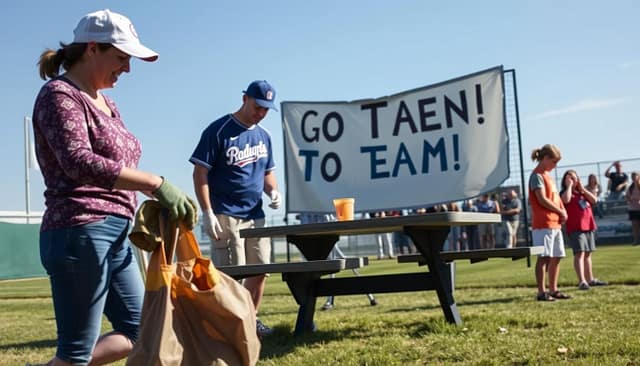
But, it’s also important to set clear boundaries. You should focus on encouragement and operations, not coaching. Think of yourself as a referee. You help the game run smoothly, but you don’t make the calls.
This culture should reflect the “character-first” approach in coaching. The best teams focus on the whole person. Your aim is to build a strong community around the team, making every interaction a positive step forward.
To keep healthy boundaries and make a big impact, focus on these key areas:
- Logistical Support: Manage fundraising, travel, and equipment.
- Moral Encouragement: Be a positive, unified fan base.
- Community Building: Organize events that connect families and fans.
- Strategic Partnership: Work alongside coaches by handling off-field needs.
When roles are clear, your involvement is a huge asset, not a distraction. It’s a meaningful way to serve your community. For more tips on working with booster clubs, check out our guide on working closely with booster clubs.
A successful booster club has heart and professionalism. You’re there to support, not to take over. By finding this balance, you help create a program known for integrity, support, and excellence.
Semester plan: 12‑week internship checklist
Having a plan makes your internship stand out. Whether it’s a formal internship or volunteering, this checklist helps you stay on track.
Start by learning the ropes in weeks 1-3. Complete your training, get to know people, and understand the daily tasks. This is key for any role, from usher to analytics.
In weeks 4-6, it’s time to apply what you’ve learned. Take on tasks on your own. For example, Steele Archives interns aim to process at least one collection. This hands-on phase is where you shine.
Weeks 7-9 are for leading projects. Come up with a capstone project. It could be a new community service or analyzing fan engagement. Showing initiative here boosts your resume.
Weeks 10-12 are for wrapping up and transitioning. Finish your tasks, document processes, and leave notes for the next person. This ensures your work continues to benefit the team.
By following this 12-week plan, you’ll gain valuable skills, contribute to community service, and build a professional network. Your semester plan maximizes every opportunity.