Welcome to your grand slam adventure! Planning a journey to follow the diamond action in the Lone Star State is more than just watching games. It’s about embracing a unique spirit, from dusty plains to vibrant city skylines.
Think of this guide as your trusted co-pilot. We’re here to make your journey across this huge state easy and step-by-step. We’ll guide you through everything, from picking the perfect rivalries to watch (the energy is contagious!) to finding the best shady seat on a hot afternoon.
Drawing from real fan experiences, like the awe-inspiring visit to Whataburger Field in Corpus Christi with its views of the New Harbor Bridge, we’ll show you how to discover those hidden gems that make each ballpark special.
Whether you’re a seasoned follower or new to the scene, we’re here to make sure your travel is packed with unforgettable moments, great food, and, of course, fantastic baseball. Let’s hit the road!
Fan Road‑Trip Guide
Your ultimate fan road trip across Texas starts by syncing your calendar with the rhythm of the college baseball season. Think of the schedule as your playbook. It’s packed with intense conference showdowns and historic non-conference clashes that create a thrilling tapestry of games from February through May.
Weaving your trip through this schedule is like solving a fun puzzle. Your goal is to find clusters of games that slash your driving time and boost your time spent at the ballpark. You want to catch the most electric atmospheres, where the cheers are loudest.
Let’s look at a real-world example. Recent game notes highlighted a UTRGV Vaqueros vs. Texas State Bobcats mid-week matchup. This game is a perfect snapshot of a team’s constant motion during the season. For you, the fan, it shows how you can map your trip to catch teams at home or during key away series. These growing in-state rivalries offer fantastic, intimate game experiences.
So, how do you spot these must-see series? Focus on two types of games. First, the classic, fiery rival weekends that define Texas baseball culture. Second, watch for rising contender battles—teams climbing the rankings that play with extra passion. Identifying these series is your first major step in planning.
Once you’ve picked your target games, the next trick is geographic grouping. Texas is big, but smart planning conquers distance. Try to group games in the same region—like the DFW metroplex, Central Texas, or the Gulf Coast—over a few days. This strategy means you spend less time on the highway and more time soaking in the pre-game tailgates and singing during the seventh-inning stretch.
To make this concrete, here’s a sample three-day plan. It shows how you can cluster exciting matchups with manageable drive times. This table illustrates the kind of efficient, action-packed itinerary you can build.
| Day | Matchup & Series Type | Ballpark Location | Approx. Drive from Previous | Rivalry Vibe |
|---|---|---|---|---|
| Friday | Texas A&M vs. LSU (Conference Showdown) | College Station | Start Point | High |
| Saturday | Baylor vs. TCU (I-35 Rivalry) | Waco | 1 hour 45 minutes | High |
| Sunday | Texas State vs. UTRGV (In-State Battle) | San Marcos | 45 minutes | Medium |
This approach to texas baseball travel turns a simple trip into a curated baseball journey. You follow the storylines, experience different campuses, and immerse yourself in the local fan culture. By planning around the schedule’s natural clusters, you maximize every mile and create a trip full of unforgettable diamond moments. Let’s plot your course for maximum baseball enjoyment!
Ballpark cheat sheets: seating, shade, concessions, family areas, parking
Get the inside scoop on where to sit, what to eat, and how to park at Texas’s top college baseball venues. Think of this as your pre-game scouting report. We’re going beyond the basic ticket info to uncover the details that transform a simple outing into an unforgettable experience.
Knowing the unique layout and perks of each stadium is your secret weapon. It’s the difference between baking in the sun and relaxing in a cool breeze with a perfect view.
First up: seating and shade. In Texas, the sun is a formidable opponent. Seeking out shaded sections or breezy overlooks is a top priority. A great ballpark guide points you to these spots.
For example, at Whataburger Field in Corpus Christi, the deck-style seating in centerfield is a prime target. It offers a fantastic panoramic view of the harbor and bridge, plus it catches those cooling Gulf breezes. This is the kind of insider knowledge you want!
Next, let’s talk fuel. Stadium concessions have evolved far beyond the standard hot dog. Many parks now feature local favorites right inside the gates. Part of your stadium amenities recon should include identifying these culinary gems.
Is there a famous burger stand or a local ice cream brand? Finding out before you arrive means you won’t miss out on a legendary bite that defines the local flavor.
Traveling with young fans? Family-friendly zones are a game-changer. These areas often have more space, sometimes even adjacent attractions. Look for parks that cater to families.
Again, Whataburger Field provides a perfect example with a youth baseball field in the outfield area. It’s a brilliant feature that lets kids imagine their own big-league dreams while the game goes on.
Don’t let parking stress ruin your first inning. Is there a large, adjacent lot, or is it a complex hunt for street parking? Knowing this ahead of time saves time and hassle.
The ballpark guide rule of thumb: adjacent parking, like the lot at Whataburger Field, is a major win for convenience.
Here’s a quick cheat sheet list to use for every stop on your tour:
- Seating/Shade: Scout for covered sections, upper decks, or outfield areas that promise shade and a view. Ask about “view decks” or “breezeway” seating.
- Concessions: Research the park’s signature food item online. Follow the team’s social media for seasonal specials!
- Family Areas: Look for designated “family zones,” playgrounds, or open grassy berms where kids can move around safely.
- Parking: Check the stadium website for lot maps, pre-purchase options, and tailgating policies. Arrive early if lots are first-come, first-served.
Arming yourself with this knowledge turns you from a casual visitor into a savvy fan. You’ll maximize comfort, taste the best local flavors, and keep everyone in your group happy. Now you’re ready to enjoy the full suite of stadium amenities and focus on the real action—the game!
Getting there: drive times, train/bus options, lodging deals
Traveling from one Texas college ballpark to another doesn’t have to be hard. Smart routes and other transport options make it easy. We want your texas baseball travel to be fun, not stressful. Let’s look at the details so you can enjoy the game more.
Texas is big, but some college baseball schools are close. For example, Texas A&M University-Kingsville to Corpus Christi is just 45 miles. You’ll take Route 77 to Route 44, then to Superhighway 37. This is a quick trip after a game to explore a new city.
Here are some drive times between popular campuses:
| From | To | Approx. Drive Time | Major Highways |
|---|---|---|---|
| Austin (UT) | College Station (Texas A&M) | 1 hour 45 min | SH-71, US-290 |
| Houston (UH) | San Marcos (Texas State) | 2 hours 15 min | I-10, SH-80 |
| Lubbock (Texas Tech) | Fort Worth (TCU) | 4 hours 30 min | I-27, US-82 |
Always check traffic before you leave! A bit of planning can save you a lot of trouble.

Driving is flexible, but there are other ways to travel. For big groups or to avoid parking, consider a charter bus. Renting a bus or cars in places like Bryan, TX, is affordable and fun for groups.
Trains and buses are also good options. Texas has Amtrak’s Texas Eagle line for Dallas, Austin, and San Antonio. Greyhound and Megabus offer cheap tickets between cities, often near universities.
After arriving, you’ll need a place to stay. Finding lodging deals near campuses is easy. Here are some tips:
- Book Early: Hotels get full on game weekends. Book weeks ahead for the best prices.
- Look Beyond Chains: Budget hotels are good, but try local B&Bs or inns too. They offer a unique Texas experience and might be close to the ballpark.
- Use Deal Apps: Apps like HotelTonight or deal filters on booking sites can find you discounts, even for last-minute stays.
Your trip is part of the fun. With these tips on drive times, transport, and lodging, your texas baseball travel will be great. Let’s go!
Local eats and photo spots around each campus
Don’t leave right after the game. The best memories are in local eateries and scenic spots near campus. The final score is just part of your Texas baseball story. We want you to enjoy the full flavor of each college town.
Every stadium has its own delicious secrets. Knowing where to go makes downtime between games special.
Fuel Up Like a Local
You didn’t drive all this way for ballpark hot dogs alone! Texas is famous for its regional specialties. In Austin, you must hunt down the perfect breakfast taco. In Lubbock, a legendary burger joint is often just a short walk from the ballpark.
Many areas around stadiums have team-friendly restaurants for celebrating wins or discussing games. It’s all part of the local culture. For a treasure trove of recommendations in one classic college town, check out my favorite finds around College Station for Aggieland inspiration.
Great photo spots are everywhere. It’s not just about the field. Look for iconic backdrops that tell the story of where you are.
For example, near Whataburger Field in Corpus Christi, the stunning New Harbor Bridge creates a prime photo opportunity, specially at sunset. On university campuses, seek out historic architecture, grand gates, or famous statues. These scenic spots add depth to your travel album.
Explore Beyond the Bleachers
Your game ticket can be a key to other local adventures. Major cities near ballparks offer fantastic family activities. Research options like:
- Visiting the Perot Museum of Nature and Science in Dallas.
- Riding roller coasters at a theme park in San Antonio.
- Exploring a downtown riverwalk or a historic district.
These explorations turn a simple baseball trip into a broader Texas tour. You’ll collect memories that have nothing to do with the scoreboard and everything to do with the experience.
So, do a little research before you hit the road. Find those beloved local eats. Pinpoint those can’t-miss photo spots. You’ll discover that the heart of each college town beats strongest just outside the stadium gates.
Etiquette for Visitors (Student Sections, Traditions)
Being a respectful guest is the fastest way to earn a warm welcome, even in the heart of enemy territory. Think of it this way: you’re visiting someone else’s home field. Their traditions are the family heirlooms. We want you to cheer your heart out for your team while making friends, not friction.
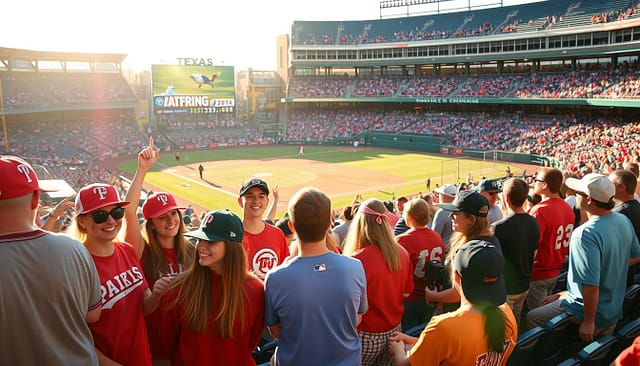
The most electric energy always comes from the student sections. These are the keepers of the flame. They have chants that have been passed down for years. Some are simple. Others are long, complex, and full of inside jokes. Your best move? Watch and listen first.
Observe before you join in. This is the golden rule for visiting fans. It shows respect. It also keeps you from accidentally chanting something against your own team! After an inning or two, you’ll get the rhythm. Then, feel free to clap along to the beat.
Remember, staff and local fans are proud of their park’s history. Show genuine interest, and they’ll often open up. A perfect example is Director Mike Coffin at Whataburger Field in Corpus Christi. Visitors who ask polite questions about the stadium often get a warmer reception and even impromptu stories. This welcoming culture is common when you approach with respect.
To help you navigate these unspoken rules, here’s a quick guide to being a fantastic visiting fan.
| Do | Don’t | Why It Matters |
|---|---|---|
| Learn one opposing cheer to clap along with. | Boo during a home team tradition or moment of silence. | Shows you appreciate the home atmosphere and are here for baseball. |
| Cheer loudly for your team’s great plays. | Direct personal taunts at student players or fans. | Keeps rivalry fun and spirited, not mean-spirited. |
| Ask longtime fans about stadium history. | Assume you know the story behind every ritual. | Builds bridges. You might learn an amazing piece of college baseball lore. |
| Thank stadium staff and concession workers. | Leave a huge mess in your seating area. | They work hard. A little kindness makes everyone’s day better. |
| Wear your colors with pride. | Block the view of fans behind you by constantly standing at non-key moments. | Be confident in your fandom, but be aware of those around you. |
Following this simple visitor etiquette does more than just avoid trouble. It helps you connect with the true heart of college baseball. You become part of the shared story, not just an outsider. So pack your enthusiasm, bring your respect, and get ready to enjoy the game the right way.
Budget planner: gas, tickets, food, merch; safety notes
Your financial playbook is here: a straightforward guide to estimating costs for fuel, entry, food, and souvenirs. Planning a multi-game trip is more than just ticket prices. It’s about the whole experience—team activities, local meals, and those long drives under the Texas sun.
Let’s build a spending plan that lets you focus on the game, not your wallet. A realistic budget is your best defense against surprise expenses. We’ll walk you through each category with actionable budget tips to stretch your dollars.
First, let’s look at the numbers. The table below outlines a sample budget for a classic three-game weekend road trip. Think of it as a starting point. Your actual costs will vary based on your car’s fuel efficiency, ticket choices, and dining preferences.
| Expense Category | Estimated Cost (Per Day) | Money-Saving Tip | Notes for Planning |
|---|---|---|---|
| Gas & Fuel | $25 – $60 | Use a gas app to find the lowest prices along your route. | Texas distances are vast. Budget more for trips between Austin, College Station, and Lubbock. |
| Game Tickets | $15 – $40 | Buy general admission; often the best value for great views. | Check for “Family Pack” deals or student discounts (with valid ID). |
| Food & Drinks | $30 – $50 | Eat one big local meal, supplement with ballpark snacks. | Ballpark food is part of the fun! Balance it with a pre-game diner visit. |
| Team Merchandise | $20 – $50 (one-time) | Set a firm limit before you see the hat you “must have.” | A cap or shirt is a classic souvenir. Plan for it as a trip highlight. |
| Miscellaneous & Safety | $10 – $20 | Pack a car emergency kit instead of buying items on the road. | Covers water, sunscreen, and a small fund for unexpected needs. |
Gas is often your biggest variable cost. Prices change, and Texas highways are long. Use your mapping app to estimate total miles. Then, plug your car’s average MPG into a calculator. Always add a 10% buffer for detours or traffic. This simple step prevents a major budget blowout.
Our top budget tips for tickets? Look beyond the prime seats. General admission sections offer fantastic atmosphere at a fraction of the cost. Many programs also sell discounted tickets for games earlier in the week. Your goal is to get inside the ballpark and feel the energy!
Food strategy is key. You’ll want to try the famous local barbecue and a legendary ballpark hot dog. We recommend one hearty, affordable meal at a campus-area diner before the game. Then, you can enjoy a couple of iconic stadium snacks without overspending.
Speaking of snacks, always carry a reusable water bottle. Staying hydrated in the Texas heat is non-negotiable for safety and comfort. It also saves you from buying expensive bottled water all day.
Now, let’s talk safety—because a safe trip is a successful trip. This is a key budget tip: spending a little upfront on preparedness saves money and stress later.
- Car Emergency Kit: Include water, non-perishable snacks, a first-aid kit, jumper cables, and a flashlight. For those long, remote stretches between campuses, this kit is essential.
- Digital Safety: Share your itinerary with a friend or family member. Keep your phone charged, specially when navigating new cities.
- Ballpark Awareness: Keep your wallet and phone secure in a zipped bag or front pocket in crowded student sections and concession lines.
With your budget set and safety basics covered, you can truly relax. You’ve accounted for the fuel, the fun, and the fundamentals. This planning means you can cheer loudly for that game-winning hit, knowing you’ve covered all the bases—both financial and personal.
Printable itinerary template
You’ve got all the tips for your Texas college baseball road-trip. Now, it’s time to make it happen. We’ve made a printable itinerary template for you.
Think of this sheet as your game-day command center. It’s more than just a schedule. Use it to log driving times and note your parking spot. Don’t forget to write down that legendary local barbecue spot you read about. Track your souvenir buys from team stores.
Print the template and fill it in. Keep it on your dashboard. This physical organizer keeps you on track. You won’t miss a first pitch or a perfect sunset photo at the ballpark.
This template is the final piece. It turns our guide into your own, exciting baseball journey across the state. Let’s play ball!