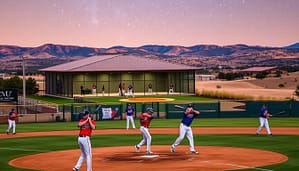
Remember the sound of the bat hitting the ball? The cheers of the crowd? That feeling of being part of something special? Nothing replaces the pure joy of a live game. It’s about community, excitement, and lasting memories.
But for many students, going to the ballpark is hard. Tickets are expensive, getting there is tough, and finding friends who want to go can be hard too.
So, what’s the solution? Think of your stadium as a community center. It’s time to create an Inclusive Ballpark Plan. This plan will make sure every fan feels welcome.
This isn’t just for one night. It’s a plan for the whole season. By being thoughtful, you can open doors, fill seats, and create unforgettable experiences for new fans. Are you ready to learn how?
Why inclusion grows the fan base
Inclusion in sports is key to growing your fan base. It turns curious viewers into dedicated fans. Think about the data point from our introduction: it’s hard to get friends to a game if they don’t follow the sport. Inclusive practices directly solve this problem by lowering the barrier to entry. You’re not just selling a ticket to a baseball game; you’re inviting people to a welcoming community experience.
That first live game experience is unforgettable. For a student who’s never been to a stadium, the smell of the grass, the crack of the bat, and the roar of the crowd create a core memory. If that experience is paired with feeling seen and welcomed, you’ve created a lifelong fan. They’ll come back, and they’ll bring friends.
The magic happens when you move beyond generic marketing. Strategic inclusion initiatives speak directly to people’s identities and needs. They send a message: “This event is for you, too.” This transforms the ballpark from a niche sports venue into a vibrant community space where everyone can find their place.
Let’s break down the transformation. The table below contrasts traditional methods with an inclusive approach, showing the direct impact on your fan base growth.
| Aspect of Game Day | Traditional Approach | Inclusive Approach | Resulting Growth Impact |
|---|---|---|---|
| Marketing & Outreach | Broad ads focusing on game score and star players. | Targeted partnerships and campaigns for specific heritage nights or accessibility features. | Attracts new demographic groups who previously felt uninvited, increasing first-time attendees. |
| Stadium Atmosphere | A one-size-fits-all experience, assuming all fans are the same. | Offering sensory-friendly zones, ASL interpreters, and culturally relevant music or food during inclusion initiatives. | Creates a more comfortable environment, boosting return intent and positive word-of-mouth. |
| Community Perception | The team is seen as separate from the local community. | The ballpark becomes a community hub through co-hosted events and authentic heritage nights. | Builds strong emotional ties, turning local residents into loyal supporters regardless of wins/losses. |
| Fan Identity | Fandom is based solely on athletic allegiance. | Fandom is also tied to cultural celebration, family tradition, and shared community values. | Deepens fan loyalty, creating multiple reasons to attend beyond the game itself. |
As the table shows, the growth is systematic. An inclusive approach doesn’t just add a few new faces; it fundamentally expands your audience. Each new community you authentically engage with adds a new pillar to your fan base.
This is where heritage nights shine as a growth engine. A well-executed Hispanic/Latino or AANHPI night isn’t just a theme. It’s a powerful invitation to entire communities. It tells a story, celebrates identity, and creates a “must-attend” social event that people share on social media. The game becomes the backdrop for a larger cultural celebration, attracting attendees who might buy a ticket for the celebration and leave as baseball fans.
The bottom line is clear: growth is the natural result of intentional welcome. By building a ballpark where diversity is celebrated and access is assured, you build a broader, more resilient, and more passionate community around your team. This sets the stage for everything that follows—from planning specific culture nights to implementing accessibility features.
Culture/heritage nights: Hispanic/Latino, AANHPI, HBCU collaborations, military/first responders—do’s & don’ts
Creating memorable Hispanic Heritage Nights or AANHPI celebrations is all about community co-creation. These events meet a deep need for representation, much like fans’ strong connection to their local teams. When done right, heritage nights turn your ballpark into a welcoming space for diverse communities.

Let’s explore how to get it right. The table below contrasts common pitfalls with authentic, inclusive approaches.
| Planning Area | Superficial Approach | Authentic, Inclusive Approach |
|---|---|---|
| Community Input | Last-minute consultation; decisions made internally | Partnership from the start with recognized community leaders |
| Programming & Entertainment | Stereotypical music/food; “one-size-fits-all” theme | Curated with cultural advisors; highlights specific traditions |
| Language Access | English-only announcements and materials | Bilingual PA announcements, signage, and promotional flyers |
| Marketing & Outreach | Generic ads on main channels | Co-promotion with community media, orgs, and influencers |
| Long-term Impact | One-off event; no follow-up | Builds lasting relationships; leads to return attendees |
Now, let’s break down best practices for specific community celebrations.
Hispanic/Latino Heritage Nights
These events celebrate diverse cultures from many different countries. Authenticity is everything!
Do’s:
- Partner with local Latino student associations, cultural centers, or business chambers.
- Feature region-specific music and cuisine (think Cuban salsa vs. Mexican mariachi).
- Integrate language access by having bilingual announcers and Spanish-language game programs.
- Honor local Latino community leaders or scholars during pre-game ceremonies.
Don’ts:
- Don’t use pan-Latino stereotypes or assume all traditions are the same.
- Don’t treat it as just a “taco night” or rely on sombreros as decor.
- Avoid last-minute planning without genuine community buy-in.
AANHPI (Asian American, Native Hawaiian, Pacific Islander) Celebrations
The AANHPI community encompasses vast cultural diversity. Your event should reflect that richness.
Do’s:
- Collaborate with specific ethnic student groups (e.g., Vietnamese Student Association, Filipino American Alliance).
- Showcase traditional performances, like lion dances or hula, with explanations of their significance.
- Provide promotional materials in relevant languages (e.g., Vietnamese, Korean, Chinese).
- Highlight AANHPI athletes and their contributions to baseball history.
Don’ts:
- Don’t lump all Asian cultures together. Recognize their unique histories and traditions.
- Avoid using “Oriental” themes or imagery that promotes outdated stereotypes.
- Don’t overlook the importance of dietary preferences (e.g., vegetarian or halal options).
HBCU (Historically Black Colleges & Universities) Collaborations
Partnering with HBCUs is about honoring legacy and building future pathways.
Do’s:
- Coordinate with the HBCU’s alumni association, band, or sports department early in planning.
- Feature the university’s marching band or gospel choir for national anthem or halftime.
- Create scholarship fundraisers or internship opportunities tied to the event.
- Celebrate the history and impact of HBCUs on sports and education.
Don’ts:
- Don’t treat it as just another “theme night” without substantive partnership.
- Avoid superficial symbols without understanding their cultural context.
- Don’t forget to promote the event directly to HBCU students and alumni networks.
Military & First Responder Appreciation Nights
These events honor service and sacrifice. They require a tone of genuine respect.
Do’s:
- Coordinate with local VFW chapters, police/fire unions, or base community relations offices.
- Offer meaningful recognition, like on-field ceremonies with family members included.
- Provide discounted or complimentary tickets for active service members and their families.
- Consider a moment of silence or a special tribute for fallen heroes.
Don’ts:
- Don’t use the event for overt political messaging. Focus on appreciation, not politics.
- Avoid treating it as a simple marketing opportunity to fill seats.
- Don’t overlook the needs of veterans with disabilities—ensure accessible seating and services.
Remember, successful heritage nights are built on trust. You’re not checking a box—you’re building a bridge. When communities see their traditions honored with authenticity and their language access needs met, they don’t just attend a game. They become fans for life.
Accessibility: seating, ramps, captions/ASL, sensory kits, service‑animal policies
For many fans, the biggest barrier to enjoying a game isn’t the ticket price—it’s a staircase. True inclusion means every person can experience the thrill of a strikeout or a stolen base without hidden obstacles. We’re moving beyond basic compliance to create a welcoming environment where accessibility services are a seamless part of the game-day experience.
Let’s break down the key areas where thoughtful planning makes all the difference. This isn’t just about checking boxes. It’s about sending a clear message: “You belong here, and we’ve prepared a place for you.”
Physical Access: More Than Just a Spot
Wheelchair-accessible seating is essential, but great design goes further. It considers sightlines so views aren’t blocked by railings or standing fans. It ensures ramps have gentle slopes and are clearly marked.
Don’t forget about companion seating! Friends and family should be able to sit together comfortably. Also, review pathways to concessions and restrooms. Are they wide, clear, and free of unexpected steps?
Communication Access: Everyone in the Loop
Can every fan follow the action and announcements? This is where communication accessibility services shine. Video board captioning for plays, scores, and safety info is a game-changer for deaf or hard-of-hearing fans.
For major events, having American Sign Language (ASL) interpreters visible on the video screen or near the field brings the commentary to life. And here’s a pro tip: extend this thinking to language access.
Are your accessibility guides, maps, and emergency information available in Spanish or other languages common in your community? This simple step welcomes a much broader audience.
Sensory & Cognitive Access: Managing the Overload
Ballparks are loud, bright, and bustling. For fans with autism, PTSD, or sensory sensitivities, this can be overwhelming. Proactive support turns a stressful situation into a fun one.
Many forward-thinking programs now offer:
- Sensory Kits: These often include noise-canceling headphones, fidget tools, and sunglasses. They can be checked out at guest services.
- Designated Quiet Zones: A calmer, less crowded space where fans can take a break without missing the game.
- Social Narratives: Online guides or pamphlets that preview what to expect at the game, from the entrance line to the seventh-inning stretch.
Service Animals: Clear Policies Build Confidence
Fans who rely on service animals shouldn’t face uncertainty or confrontation. Your policy must be clear, visible, and understood by all staff.
Publicly state that service animals are welcome in all public areas of the stadium. Train your staff to recognize they are working animals, not pets, and that they should not be distracted or petted.
Consider providing relief areas with waste bags. This simple courtesy shows deep respect for the fan and their partner.
Building this framework of accessibility services does more than remove barriers. It actively invites new fans. It tells your community that you see them, you value them, and you’ve built an experience with them in mind. That’s how you grow a loyal, passionate fan base for life.
Community co‑hosts: student orgs, city groups, youth leagues
Your biggest supporters might not be in your marketing team. They could be in your community. Think about your best game day moments. Were you with friends or family? That excitement is what community groups can bring to your events.
When a student club or local league buys tickets, it becomes a social event. Members bring their friends, creating excitement. This excitement attracts more people, creating a cycle of growth.
Identifying Your Ideal Community Partners
Finding the right group is key. Look for those interested in sports, community events, or social activities. Start by exploring your local area.
Campus is a great place to find partners. Look at student cultural associations, service fraternities, and academic clubs. Off-campus, connect with city cultural associations, youth sports leagues, and nonprofits. These community groups have loyal followers.
Here’s a quick way to start your search:
- Check your university’s student organization directory.
- Visit your local community center or parks and recreation department.
- Attend a city council meeting or chamber of commerce event to introduce your program.
Structuring a Win-Win Collaboration
A good partnership benefits both sides. Offer value beyond just a ticket discount. Think about what they need, like fundraising opportunities or visibility.
For your ballpark, the value is a guaranteed audience and authentic promotion. Give your co-hosts tools to succeed. Provide them with easy social media graphics, a dedicated promo code, and recognition on your stadium’s video board.
Clear communication is key. Draft a simple agreement that outlines:
- The number of tickets in the group block and the discounted rate.
- How the group will be recognized (e.g., announced, logo on website).
- What promotional support you’ll provide to them.
To help you compare options, here’s a breakdown of common partner types and how to work with them effectively.
| Group Type | Primary Benefit to Stadium | Key Partnership Consideration | Example Activation Idea |
|---|---|---|---|
| Student Cultural Organization | Brings vibrant, youthful energy and fills seats on weeknights. | Align with their heritage or theme night for maximum engagement. | Co-host a pre-game cultural festival on the concourse with food and music. |
| City Cultural Association | Connects you with diverse, family-oriented community networks. | They often plan months ahead; reach out early for their event calendar. | Offer a “Community Hero” award presented by the association during the 7th-inning stretch. |
| Youth Sports League | Creates a pipeline of future fans and players; families often stay for the whole game. | Schedule a “Little League Day” where players get to parade on the field. | Provide a special clinic with college players for league members before the game. |
| Service Fraternity/Organization | Members are socially active and likely to promote the event within their large networks. | They may seek a fundraising split; be ready to discuss a percentage of ticket sales. | Let them run a concession stand or 50/50 raffle, with proceeds supporting their cause. |
Turning Partners into Season Ticket Advocates
The first game is just the beginning. Your goal is to turn these community groups into long-term advocates. After a successful event, follow up! Ask for feedback and what they’d like to see next time.
Create an exclusive offer for returning groups. Maybe it’s a deeper discount on a season ticket package or an invitation to a behind-the-scenes ballpark tour. Recognition is also powerful. Feature a “Community Co-Host of the Month” on your social media channels.
Remember, people come back because of people. When someone from a student org has a great time, they’ll tell their roommate. When a youth league player meets a college athlete, they’ll beg their parents to go again. These partnerships build a community around your team, one group at a time.
So, take that first step. Reach out to a campus club or local league today. You’re not just selling tickets—you’re building a home team for your entire community.
Metrics: first‑time attendees, return intent, donations
Good intentions are the start, but data shows if you’re making a difference. It’s about moving from “we think it went well” to “we know it was a success.” This means tracking important numbers.
It’s not just about numbers. It’s about listening to your fans and showing them their presence matters. This turns goodwill into a tool for growth.
You can get more funding, improve your approach, and create a welcoming culture. Let’s look at the key numbers you should watch.
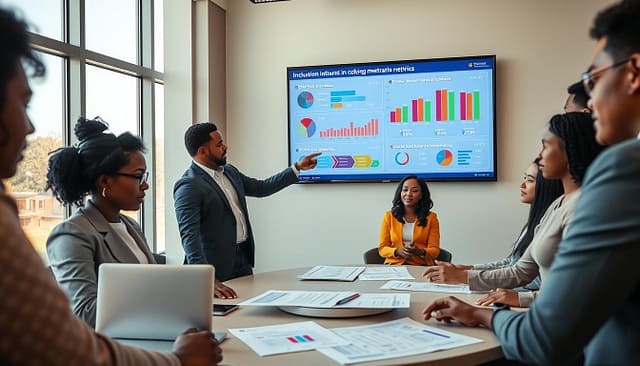
Tracking New Fan Acquisition
The best sign of success is new faces in the stands. A key metric is the number of first-time attendees from partnerships with student groups and youth leagues.
Here’s how to track it well:
- Dedicated Ticket Codes: Give each partner group a unique promo code for discounted tickets. The number of redemptions shows how many new guests came from that community.
- Affordable Access Points: Link this metric to making games affordable. Offer special “family packs” or student discounts through these codes. This shows your initiative is welcoming and practical.
- Post-Event Surveys: Ask if it’s their first time attending in your fan feedback forms.
This data shows which partnerships are best at bringing in new fans. It introduces your program to future fans.
Measuring Fan Experience and Loyalty
Getting new fans is just the start. Making them want to come back is the goal. This is where return intent comes in.
Capture this with short, simple surveys sent via email after the game. Ask about enjoyment and future plans:
- How would you rate your overall experience today? (Scale of 1-5)
- How likely are you to attend another game this season?
- What was the best part of your visit? (Open-ended to capture positive moments related to your inclusion events)
A high intent-to-return score from first-time attendees is a gold-star indicator that your welcoming environment resonated. It shows you’re building loyalty, not just filling seats.
Understanding Broader Community Impact
The benefits of inclusion go beyond the ticket scanner. Keep an eye on secondary metrics that show deeper community engagement.
Concession and Merchandise Sales: Compare sales data from special events to standard games. A noticeable increase suggests guests are enjoying themselves and investing in the ballpark experience.
Donations and Fundraising: This is a key metric. Did your collaboration with a local non-profit or student group lead to more donations? For example, a “First Responders Night” could include a donation drive for a related charity.
Tracking these contributions shows your ballpark supports the community. It creates a positive feedback loop that benefits everyone involved.
By watching these three areas—new attendance, fan satisfaction, and community benefit—you build a strong case for your inclusive ballpark plan. You move from hoping it works to knowing it works. This is how you grow fans sustainably.
Sample run‑of‑show + vendor list
Let’s make game day real. This sample schedule and vendor list is your guide.
Start three hours before the first pitch. Open a pre-game “community village” on the concourse. Invite local cultural performers and youth sports teams to demo. This builds excitement and welcomes everyone.
One hour before the game, start stadium announcements with visual captions on the video board. Host a sensory-friendly player meet-up in a quiet zone. Provide sensory kits at guest services.
During the game, schedule inning-break recognitions. Honor local veterans, teachers, or leaders from partnering community groups. Keep American Sign Language interpreters visible on the dugout camera feed.
Your vendor partnerships make inclusion real. For sensory kits, organizations like KultureCity offer certified solutions. Captioning services are available from companies like Ai-Media. Source authentic food and merchandise from local small businesses and cultural community groups. This supports your city’s economy and ensures genuine representation.
Executing this run-of-show creates a memorable experience. It shows your commitment to every fan in the ballpark.