For most of the year, Texas bettors are locked into familiar rhythms—baseball series, football spreads, totals, props. You’re reading lines, tracking injuries, reacting to movement.
Then the Kentucky Derby shows up on May 2, 2026… and suddenly none of that translates cleanly.
Same idea—betting—but completely different environment.
And that’s where a lot of otherwise sharp bettors get tripped up.
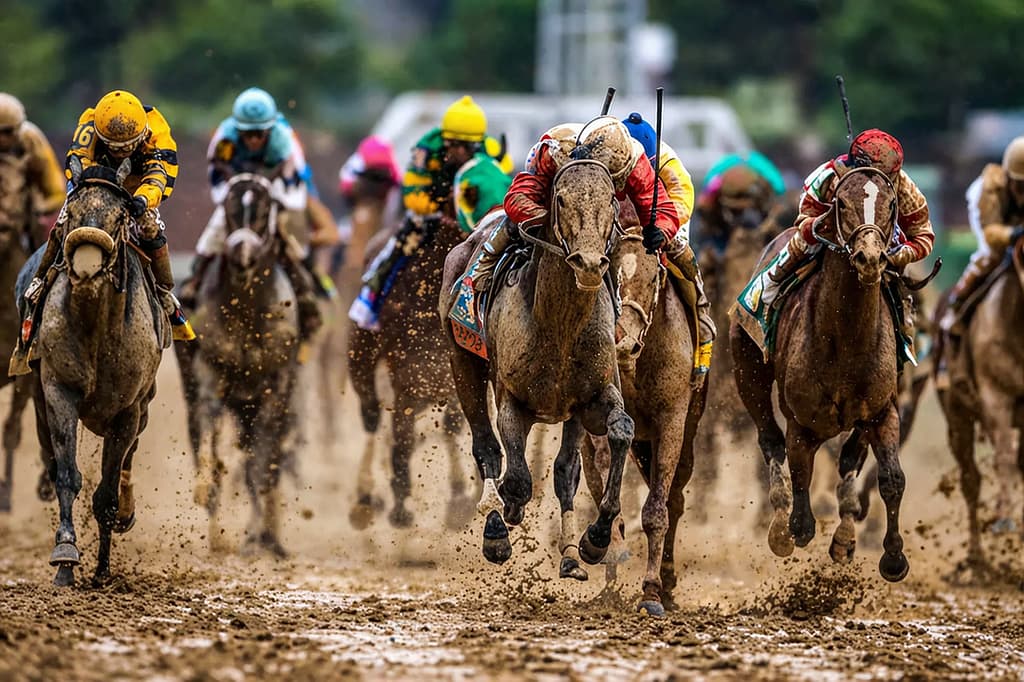
The First Adjustment: This Isn’t a Fixed-Odds Market
In baseball betting, the number is the number. You see -150, +130, totals at 8.5—it’s all set by the book.
The Derby doesn’t work like that.
You’re stepping into a pari-mutuel system, where odds are constantly shifting based on how money flows into the pool. The price you see early in the day won’t be the same price at post time.
That alone changes how you think.
Instead of asking “is this line good?” you’re asking “is this price likely to get better or worse?”
If you want to understand how that mechanism actually works,
breaks it down in simple terms.
You’re Not Capping Teams—You’re Projecting Scenarios
Baseball bettors live on data:
- Pitching matchups
- Bullpen usage
- Splits, trends, advanced metrics
The Derby gives you far less to work with.
Most horses have only a handful of meaningful races. They haven’t all faced each other. And many are stepping into a distance they’ve never run before.
So instead of clean comparisons, you’re building a projection:
- How fast will the early pace be?
- Which horses will be caught in traffic?
- Who benefits if things fall apart late?
It’s closer to modeling a game script than picking a side.

The Trap: Betting Favorites Like Heavy Chalk
Baseball bettors are used to laying juice when the edge is there.
You’ll take -180 if the matchup supports it.
In the Derby, that mindset can backfire.
Favorites often get hammered by public money, especially from casual bettors jumping in for the event. By race day, the price is often worse than it should be.
So even if the favorite wins, the bet might still be bad value.
Historical data from
shows that Derby favorites don’t dominate nearly as often as people expect.
Where Texas Bettors Can Actually Gain an Edge
This is where things get interesting.
Because Texas doesn’t have a fully saturated betting market, a lot of Derby action comes from casual or occasional bettors.
That creates inefficiencies.
If you approach the race with structure—thinking in terms of value, price, and scenario—you’re already ahead of a large portion of the pool.
And when you combine that with access to bet the Kentucky Derby in Texas resources that outline where and how to place wagers, you’re not just participating—you’re positioning.
The 2026 Derby: What to Pay Attention To
As race day approaches, Texas bettors should focus on:
- Late odds movement (especially in the final hour)
- Horses gaining quiet momentum rather than media hype
- Pace scenarios that could favor certain running styles
The key isn’t reacting to noise—it’s filtering it.
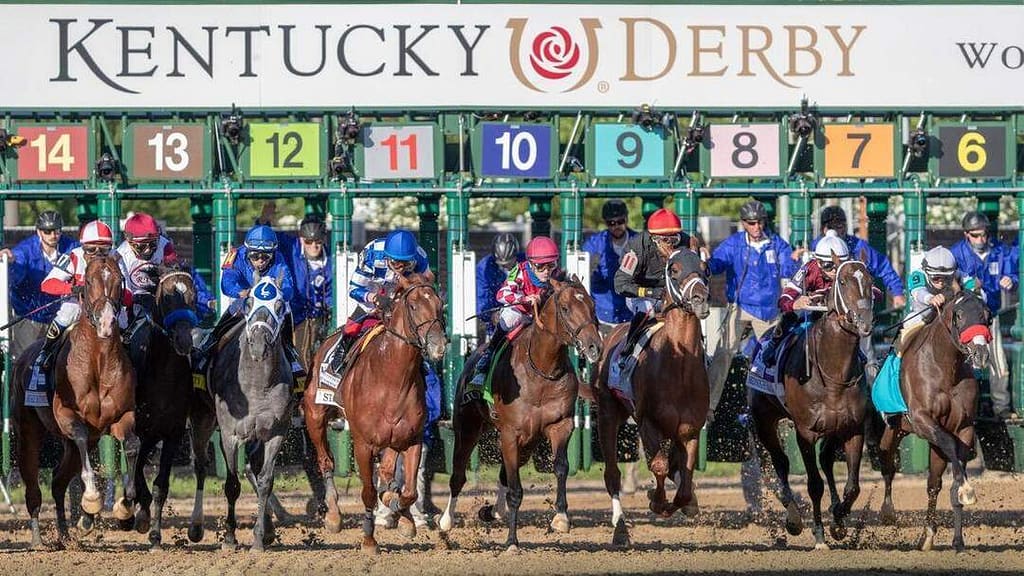
The Real Shift: From Picks to Construction
Baseball betting is mostly about making a call—this team, this total, this prop.
The Derby is about building something.
You’re not just picking a winner. You’re deciding:
- Who can win
- Who fits underneath
- How different outcomes interact
That’s why exotic bets become such a big part of the equation.
It’s not about being right once—it’s about being right in the right structure.
Final Thoughts
If you come into the Kentucky Derby thinking like a traditional sports bettor, you’ll probably feel out of sync.
But if you adapt—if you shift from fixed odds to moving markets, from picks to positioning—you start to see where the opportunities are.
The Derby isn’t harder than other markets.
It’s just different.
And for bettors willing to adjust, that difference is exactly where the edge comes from.